By Dan Smigrod, Managing Editor of Humanoid Home News
Picking something up is only the beginning of helping around the house. A useful robot also needs to control its grip and adjust when an object moves. Handling a delicate glass takes a different touch from holding a sturdy container. For families watching home robots develop, better hands could make that everyday help more practical.
That is the household question behind Genesis AI’s latest funding announcement. In a release dated November 17, 2026, the company behind Genesis AI Eno said it raised $500 million in Series A funding at a $3.5 billion post-money valuation. The company plans to expand robot training and scale deployment.
Eno is already included in the Humanoid Home News Leader Board. The news offers a reason to revisit the work behind its hands, while keeping the distance between a demonstration and dependable household help in view.
What Genesis has demonstrated
In its GENE-26.5 announcement on May 6, 2026, Genesis described company footage of:
- A cooking sequence involving chopping tomatoes and cracking an egg
- Preparing a smoothie
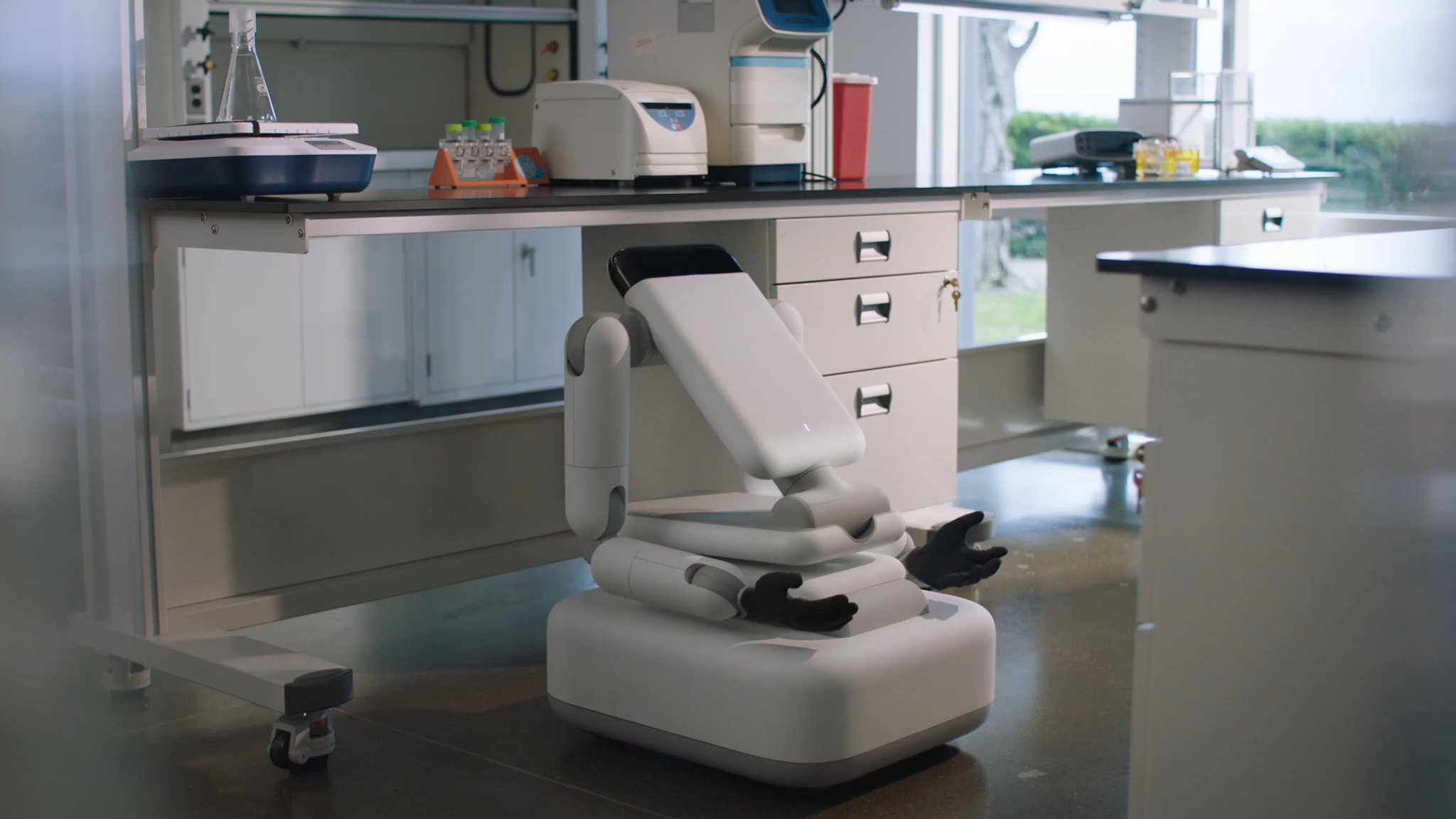
- Handling delicate laboratory instruments
These company demonstrations preceded Eno’s introduction on June 16, 2026. They do not establish that Eno itself has performed those tasks reliably in private homes.
TechCrunch saw separate arms pack, then falter. Eno was not demonstrated.
For a household reader, the distinction matters. A selected demonstration can show a promising skill. Consistent help requires that skill to keep working when the objects or surroundings change.
How better hands could help at home
Genesis’ earlier technical announcement describes pairing a robotic hand with a glove that records human movements for training. The company’s goal is to make skills learned from human activity easier to transfer to robots.
The potential household benefit is easier to understand than the training system. Consider the different skills needed to:
- Hold a fragile object without squeezing too hard
- Turn an item within a hand to put it down correctly
- Use both hands together through a sequence of actions
These examples explain why dexterity matters. They are not a list of verified Eno features.
The remaining question is whether those skills can become repeatable behavior in everyday surroundings, with clear information about any human assistance required.
Why Eno is aimed at industry first
Genesis’ June roadmap placed industrial customers ahead of consumer applications. Its partnership announcement with LG CNS described a staged process for evaluating manufacturing and logistics work before wider deployment.
That plan draws on LG CNS’s experience integrating technology into existing operations. The partners proposed identifying useful tasks and conducting pilots to establish how deployment would work.
It is a practical setting in which to examine a robot’s usefulness over repeated work. For home-robot readers, the important boundary is that success in an industrial workflow would still leave the separate challenge of adapting to an unfamiliar household.
The announcement does not establish a home launch or proven household reliability.
Who backed the round
The November funding announcement names three co-leads:
- Premji Invest
- Khosla Ventures
- Eclipse
NVIDIA participated in the round. It did not lead it.
Humanoid Home News Takeaway: For families following Eno, the development to watch is consistent control of everyday objects. Company demonstrations make that prospect worth following. Evidence of dependable performance in homes is the milestone still needed.